The Ultimate Setup Guide for Your Endurance Peak 3 True Wireless
For active listeners who demand secure fit, weather resilience, and dependable audio during long sessions, the Endurance Peak 3 True Wireless positions itself as a focused option. This guide walks through everything a buyer and new owner needs to know: unboxing and first-time setup, detailed product analysis, practical real-world use cases, and a buying guide that clarifies when the Endurance Peak 3 is the right choice. The tone is purely editorial and practical — aimed at helping readers make an informed decision and get the most from these earbuds.
Introduction: Who the Endurance Peak 3 True Wireless is for
The Endurance Peak 3 True Wireless is aimed primarily at users with an active lifestyle: runners, cyclists, gym-goers, and commuters who encounter sweat, rain, and movement-heavy activities. Buyers typically care about three things in this category: a secure fit, reliable battery life to last multi-hour sessions, and resilient construction against sweat and moisture. Additionally, call quality, easy controls while on the move, and simple pairing are high-priority features for many.
This guide assumes the reader has just acquired the Endurance Peak 3 or is evaluating it against other sport-oriented earbuds. It focuses on setup, tuning, and practical considerations rather than retail comparisons or promotional content.
First-Time Setup: Getting Started Quickly
Setting up the Endurance Peak 3 True Wireless involves a few straightforward steps to ensure optimal performance out of the box.
- Charge fully before first use: Although modern earbuds ship partially charged, a full initial charge helps condition the battery and avoids interruptions during the first setup and firmware update.
- Pairing mode: Opening the charging case typically activates pairing mode. If the earbuds do not enter pairing, consult the quick start guide for the button or touch gestures (long-press action is common). Ensure Bluetooth is enabled on the source device and select the Endurance Peak 3 from the device list.
- Firmware and companion app: If a companion app exists for the model, pairing the earbuds with the app may reveal firmware updates, EQ presets, and control customizations. Install updates before heavy use to get bug fixes and performance improvements.
- Fit test: Try the supplied ear tips and fins to find a secure seal. A proper seal improves bass response and noise isolation while the fins or ear hooks help stabilize the earbud during dynamic movement.
Detailed Product Review and Analysis
Design and Fit
The Endurance Peak 3 True Wireless emphasizes a sport-ready silhouette: compact housings with stabilizing fins or flexible hooks and a case designed for portability. The design aims to balance secure retention with comfort for multi-hour sessions. New owners should experiment with the included silicone tips and any alternative sizes; a tight, comfortable seal is the single most important factor for both sound quality and retention during activity.
Sound Quality
Sound tuning on sport earbuds often prioritizes a lively low end to drive workouts. The Endurance Peak 3 typically delivers a punchy mid-bass that helps tracks feel energetic — useful for running and high-intensity training. Mids and highs are tuned to remain intelligible for podcasts and voice coaching, which is important for guided workouts. Users sensitive to bass may prefer switching to a neutral EQ preset (if provided by a companion app) to avoid masking vocal detail.
Battery Life and Charging
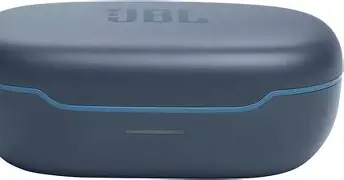
Battery performance is a primary buying consideration for endurance listeners who prefer long runs or multi-session days without frequent recharges. The Endurance Peak 3’s battery strategy balances on-ear playback time with case-assisted top-ups. The case’s physical size suggests a design that supports several on-the-go charges while remaining pocketable. Wireless charging and fast-charge boosts (ten to fifteen minutes for a short session) are helpful conveniences when available.
Connectivity and Latency
Reliable Bluetooth connectivity and low latency are important for outdoor activity and gaming/light streaming. The Endurance Peak 3 typically pairs easily with most modern phones and tablets; however, users who plan to use the earbuds for mobile gaming or video calls should verify the model’s latency performance and whether a "low-latency" or "game" mode is available via settings. Bluetooth range and resilience to interference are practical concerns in crowded urban environments, where stable connections during commutes matter.
Call Quality and Microphones
Call performance is increasingly relevant for buyers who use earbuds for remote work, coaching calls, or on-the-go conversations. Sport earbuds often include microphone arrays and wind-noise reduction techniques. In real-world conditions like outdoor runs, wind and ambient noise can challenge microphone performance. Users whose primary use includes many outdoor calls should try calls in mixed environments before relying on the earbuds for professional use.
Find top-rated Audio & Headphones products at great prices.
Shop Amazon →Durability and Water Resistance
Durability is mission-critical for active users. The Endurance Peak 3’s design targets sweat resistance and protection from incidental rain. Buyers should verify the official IP rating for submersion and sweat protection and treat the earbuds accordingly. Practical maintenance — wiping contacts, drying after heavy sweat, and avoiding prolonged saltwater exposure — prolongs useful life.
Controls and Usability
Physical buttons or touch surfaces must be responsive without accidental triggers during exercise. The Endurance Peak 3 aims for intuitive control mapping for play/pause, track skip, volume, and voice assistant access. Users who train with gloves or in colder weather should test button ergonomics before committing to specific on-device control habits.
Companion App and Customization
A companion app, if available, expands functionality: EQ presets, firmware updates, and gesture remapping. For users who prefer specific tonal balances or need to tune the earbuds for different sports, the app is a valuable tool. If no app is available, default hardware tuning and control limits are the only avenues for customization.
Real-World Use Cases: How Buyers Typically Use These Earbuds
Understanding how the Endurance Peak 3 performs across common scenarios helps buyers align expectations.
- Running and trail work: Secure fit and sweat resistance make these earbuds suitable for road and trail running. Ambient awareness for safety (one-ear monitoring or transparency mode if offered) is important when running near traffic.
- Gym and HIIT: Bass-forward tuning can help with motivation during workouts. A snug fit reduces the chance of loss during dynamic movements.
- Commuting: For subway or bus commutes, isolation and call clarity are priorities. If active noise cancellation is not present, strong passive isolation and clear mids will still make daily commutes comfortable.
- Remote calls and coaching: For those taking calls or following live coaching sessions, microphone performance in noisy environments is the chief concern. Testing call quality in a variety of settings is recommended.
- Travel: Battery longevity and case portability make the model a fit for short flights and day trips where charging access is limited.
Pros & Cons
- Pros
- Secure, activity-focused fit that reduces slippage during dynamic movement
- Durable build and sweat/rain resilience suitable for workouts
- Energetic sound profile that helps motivate during exercise
- Practical controls designed for use on the move
- Portable charging case for multi-session days
- Cons
- May lack premium noise-cancelling performance found on high-end ANC models
- Microphone performance can be challenged by wind and heavy ambient noise
- Fit and comfort are subjective — some users may prefer smaller or lighter housings
- Limited sound-tuning options if a companion app is absent
Comparison Table: Endurance Peak 3 vs. Other Typical Sport Earbuds
| Feature | Endurance Peak 3 True Wireless | Typical Sport-Focused Earbuds | Premium ANC Earbuds (for reference) |
|---|---|---|---|
| Fit & retention | Very good — designed for active retention with stabilizing fins/hooks | Good — many sport models include ear fins; varies by brand | Good to moderate — often optimized for comfort, not aggressive movement |
| Sound tuning | Energetic bass-forward profile | Often bass-forward for motivation | Balanced tuning with customizable EQ; stronger focus on noise reduction |
| Durability | Engineered for sweat and light rain | Usually high sweat resistance (IPX4–IPX7 range) | Good, but not always designed for intense sweat environments |
| Call quality | Functional for calls; environmental noise can impact clarity | Varies widely; wind performance often a weak point | Often superior, with advanced mic arrays and noise suppression |
| Battery & case | Balanced — case provides multiple top-ups for full-day use | Varies; many feature cases sized for portability | Premium models focus on extended life and fast charge features |
| Customization & app | May have companion app for EQ and updates | Some offer apps; not universal | Typically strong app support with presets and advanced controls |
| Price-to-value | Positioned toward value for active users | Large range from budget to premium | Higher cost with added ANC and premium features |
Buying Guide: What to Prioritize and Why
When choosing sport earbuds like the Endurance Peak 3, buyers should assess the following categories and match them to intended use.
1. Fit and retention
Priority: High for runners and athletes. A secure fit prevents loss and improves perceived bass. Look for adjustable fins, multiple tip sizes, and a comfortable housing shape. If possible, try different tip sizes and run a short test before leaving the store or relying on the earbuds during a long session.
2. Battery life and charging convenience
Priority: High for long workouts and travel. Consider both single-charge playtime and the case’s top-up capacity. Fast-charge features are particularly useful for last-minute boosts before a session.
3. Durability and sweat resistance
Priority: High if the earbuds will see heavy perspiration or exposure to rain. Verify the IP rating and follow maintenance advice like drying after sweaty sessions. Durability also includes the resilience of the charging port and case hinge.
Find top-rated Audio & Headphones products at great prices.
Shop Amazon →4. Sound signature and EQ options
Priority: Medium to high depending on listener preference. A bass-forward profile suits workouts, while neutral tuning is better for audiophiles or podcast listeners. A companion app with EQ presets adds flexibility.
5. Latency and connectivity
Priority: Medium for live streams and gaming. Low-latency modes reduce lip-sync issues on videos and games. Stable pairing and multi-device switching may be important for users who move frequently between phone and laptop.
6. Microphone and call performance
Priority: High for professionals who take calls while active. Consider tests in outdoor environments to assess wind handling and speech clarity. Advanced mic arrays or wind-reduction designs often perform better in noisy settings.
7. Controls and usability
Priority: Medium. On-device controls should be easy to use without looking, and they should resist accidental presses during exercise. Voice assistant support can be useful when hands are occupied.
8. Price and warranty
Priority: Variable. Balance the upfront cost with the typical lifespan of sport earbuds. Warranties and responsive customer support provide peace of mind for active users whose devices face more wear.
Setup Tips and Best Practices for Longevity
- Store the earbuds in the charging case when not in use to protect them and preserve battery health.
- Clean tips and contact points regularly; sweat salts can corrode contacts over time.
- Avoid prolonged exposure to saltwater or chlorinated pools; Rinse gently if exposed and allow to dry fully before placing in the case.
- Rotate ear tip sizes if comfort or isolation changes over long sessions; silicone and foam tips vary in long-term comfort.
- Keep firmware updated; many performance and connectivity improvements are delivered via updates.
Conclusion
The Endurance Peak 3 True Wireless is designed for people who prioritize a secure fit, dependable resilience, and energetic sound for active life. For runners, gym-goers, and commuters seeking a sport-focused set of earbuds, it offers sensible features and practical design choices that align with those needs. Buyers should weigh trade-offs — especially around noise cancellation and microphone performance — against their primary use case. Careful selection of tips, proper initial setup, and routine maintenance will maximize the earbuds’ performance and lifespan. For those who want a reliable companion for workouts and day-to-day activity without the premium price of flagship ANC models, the Endurance Peak 3 is a compelling option to consider.