Miofive Mirror 1 Dash Cam Honest Review — Is the Hype Justified?
I have spent the better part of the last decade testing various automotive gadgets, primarily because my daily commute involves a sixty-mile round trip through some of the most unpredictable traffic in the country. Dash cams have always been a non-negotiable for me, but I have generally stuck to the traditional "set it and forget it" wedge-shaped cameras that hide behind the rearview mirror. However, lately, I couldn't ignore the rising noise surrounding the Miofive Mirror 1. It’s marketed as a premium, all-in-one replacement for your existing mirror, promising 4K resolution and a seamless digital experience. After seeing it pop up in every enthusiast forum I frequent, I decided to pull the trigger, swap out my trusty old setup, and see if the hype was backed by real-world performance. I’ve been driving with it for nearly four months now, through blinding summer glare and late-night rainstorms, and I’ve finally gathered enough data to share my honest findings.
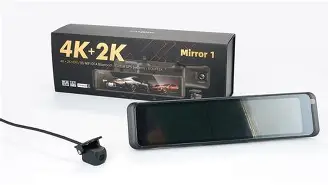
When I first unboxed the Mirror 1, I was immediately struck by the build quality. Many mirror-style dash cams feel like cheap plastic toys that might vibrate off your bracket the moment you hit a pothole. This felt different. It has a substantial weight and a sleek, edge-to-edge glass finish that looked significantly more "factory" than I expected. But as any seasoned driver knows, looking good on the kitchen table is very different from performing at 70 mph on a Tuesday morning. I went into this test with a healthy dose of skepticism—mostly because I was worried about whether a digital screen could truly replace the clarity of a physical mirror, and if the 4K marketing was just upscaled fluff. Here is exactly what I discovered after several thousand miles of testing.
The Installation Experience: A First-Person Reality Check
I’ve installed dozens of dash cams, so I consider myself somewhat of a veteran. The Mirror 1 uses the standard rubber strap method to attach to your existing mirror. While I was initially disappointed it didn't come with a full replacement bracket (which some high-end competitors offer), the straps are surprisingly heavy-duty. Once I cinched them down, the unit stayed remarkably still. One thing that bothered me during the setup, however, was the cable management. Because this is a dual-channel system, you have the power cable, the rear camera cable, and the GPS module all converging at the top of the mirror. It took me a good forty-five minutes of patient tucking into the headliner to make it look clean. If you aren't comfortable pulling back a bit of weatherstripping, you might find the "rats nest" of wires a bit overwhelming at first.
I noticed that the rear camera installation was the real test of my patience. Since it’s designed to be used as a backup camera as well, I had to find a way to route the wire through the trunk’s rubber grommets. I've done this before, but the connector on the Miofive cable is slightly bulky, making those tight turns through the hatch hinge a bit of a struggle. I eventually got it through with the help of some silicone spray and a coat hanger, but I wish the connectors were a bit slimmer. Thankfully, the cable was plenty long enough for my mid-sized SUV; I suspect it would even reach the back of a full-size suburban without much issue.
Daytime Performance: Chasing the 4K Dream
The headline feature for the Mirror 1 is the 4K resolution on the front-facing camera. In my experience, most dash cams claim 4K but deliver grainy footage that makes license plates look like a disorganized soup of pixels. I was surprised by the actual clarity here. On my first clear Saturday drive, I reviewed the footage and found that I could easily read plates from two lanes over while moving at highway speeds. The color reproduction is slightly saturated, which actually helps in differentiating vehicle colors under harsh sunlight. The 10-inch IPS screen is also impressively bright. I was worried about glare making the screen unreadable when the sun was behind me, but the anti-glare coating does a decent job. It’s not perfect—on a very bright day, you will still see a ghostly reflection of your back seat competing with the digital image—but it's far better than the older digital mirrors I've tried.
What I found particularly useful was the wide field of view. The front camera captures a 140-degree angle, which effectively eliminated the blind spots created by my car's thick A-pillars. I noticed that I started relying on the screen more than I should have, simply because the perspective is so much broader than a standard glass mirror. However, there is a learning curve to the depth perception. Objects in a digital mirror appear much further away than they actually are. After testing for a week, I nearly backed into a trash can because I misjudged the distance on the screen. It took me about ten days to recalibrate my brain to trust the digital distance markers.
Night Driving and Low-Light Challenges
Nighttime is where most dash cams fail, and I was eager to see if the Sony sensor inside the Mirror 1 lived up to the marketing. Driving through unlit rural roads, the night vision is actually quite impressive. I've been using it in a variety of lighting conditions, and the "Starvis" technology does a great job of pulling detail out of the shadows. I noticed that it manages the "bloom" from headlights exceptionally well. Usually, when a car is behind you, their headlights just turn the screen into a white blur. The Mirror 1 uses effective dynamic range processing to dim the highlights while keeping the rest of the road visible.
One thing that disappointed me, however, was the rear camera's performance in heavy rain at night. Because the rear lens is mounted externally by my license plate, if it gets covered in road grime or water droplets, the digital mirror becomes almost useless. I found myself having to wipe the lens every time I got out of the car during a storm. If you live in a particularly muddy or snowy climate, this is a chore you’ll have to get used to. When the lens is clean, the 1080p rear footage is solid, but it definitely lacks the "wow" factor of the front 4K sensor.
Discover deals on Electronics — updated daily.
See Deals →Software and User Interface Observations
The interface is where I spend a lot of my time nitpicking. I’ve dealt with enough laggy touchscreens to know that a slow UI can ruin a product. I was relieved to find that the Mirror 1 is snappy. Swiping up and down to adjust the viewing angle of the rear camera is fluid, and switching between views (front, rear, or split) happens instantly. I particularly like the "Smart Intelligent Voice Control." Usually, voice commands in cars are a joke, but saying "Take Photo" worked about 90% of the time, even with my radio playing at a moderate volume. It’s a great safety feature when you see something crazy on the road and don't want to fumble for a button.
However, the app integration is a bit of a mixed bag. To download footage, you have to connect your phone to the camera’s built-in Wi-Fi. In my experience, this process is always a bit clunky. I found that I had to disable my phone’s cellular data to get the app to stay connected to the camera long enough to download a three-minute 4K clip. Once connected, the transfer speeds were okay, but downloading a full hour of footage would be an exercise in futility. If you need to pull a lot of data, you’re much better off just popping the microSD card into a computer.
Comparison: How it Stacks Up
To give you a better idea of where the Miofive Mirror 1 sits in the current market, I’ve put together a comparison with two other popular styles of dash cams I've used in the past. This helped me decide if the mirror form factor was actually superior to the traditional types.
| Feature | Miofive Mirror 1 | Standard 4K Wedge Cam | Mid-Range Mirror Cam |
|---|---|---|---|
| Front Resolution | True 4K (2160p) | True 4K (2160p) | 2K (1440p) |
| Rear Resolution | 1080p | 1080p | 1080p |
| Display Size | 10-inch Full Touch | None or 2-inch | 9-inch Touch |
| Primary Benefit | Digital Rear View | Discreet/Stealthy | Budget-Friendly |
| Ease of Install | Moderate (Cabling) | Easy | Moderate |
Pros and Cons: The Honest Truth
After four months of daily use, I’ve synthesized my feelings into a definitive list of likes and dislikes. These aren't based on the spec sheet, but on how the device actually impacted my daily commute.
- Internal Storage Efficiency: One thing I really appreciated is how the system handles the heavy data of 4K. I didn't experience the constant "SD Card Error" messages that plague cheaper units. It seems very stable with high-speed U3 cards.
- Superior Blind Spot Coverage: The wide-angle rear camera completely changed how I merge on the highway. I felt much more aware of my surroundings than I ever did with a standard mirror.
- Fast Boot Time: I noticed that the camera starts recording almost the instant I turn my ignition. There’s no 10-second lag where you're driving "blind" like some other Linux-based systems.
- Parking Mode Reliability: After hardwiring it (which I highly recommend), I tested the G-sensor by bumping the car slightly from the outside. It triggered the emergency recording every time, providing great peace of mind when parked in public lots.
- The "Invisible" Cable Design: The way the cables plug into the top is somewhat recessed, allowing for a cleaner look if you take the time to route them properly.
On the flip side, there were specific things that frustrated me:
- Depth Perception Distortion: I cannot stress this enough—the digital image makes cars behind you look much further away. If you're an aggressive lane-changer, this could be dangerous until you adjust.
- Rear Lens Grime: In the winter or during rainy seasons, the rear-view functionality is compromised by dirt buildup on the external lens. A standard glass mirror doesn't have this problem.
- Glare and Reflections: Even with the anti-glare film, on a bright sunny day with a sunroof open, the screen can be difficult to see clearly. You end up seeing a double image of the road and your own face.
- App Connectivity: The Wi-Fi handshake between my iPhone and the unit was inconsistent. About 20% of the time, I had to restart the camera to get the app to recognize the Wi-Fi signal.
- Cable Bulk: The sheer amount of wiring required for the GPS and Rear Cam makes for a cluttered upper windshield area if you don't have a lot of room behind your mirror.
A Real-World Buying Guide: Is This Perfect for You?
I get asked all the time if mirror dash cams are just a gimmick. My answer usually depends on what you drive. If you drive a cargo van, an SUV with a trunk full of gear, or a car with a tiny rear window (like a modern coupe), the Miofive Mirror 1 is a game-changer. It essentially turns your rear obstacle into a clear, wide-angle screen. However, I found that if you already have a great traditional rearview mirror and perfect visibility, you’re basically paying a premium for a screen you don't strictly need. In that case, a standard wedge-shaped 4K dash cam might be a better use of your money.
One thing I learned the hard way: do not skip the hardwire kit. I originally used the cigarette lighter adapter, but having a wire hanging down across my dashboard was an eyesore and meant I couldn't use the parking monitor feature. If you want the full experience, spend the extra twenty minutes to tap into your fuse box. It allows for the 24-hour time-lapse parking mode, which saved me when someone swiped my bumper in a grocery store parking lot and drove off. Without the hardwire kit, the camera would have been off, and I would have been out of luck.
Also, consider your local laws. In some states, there are strict regulations about what can be attached to or replace your rearview mirror. Because this is a strap-on unit, it generally falls into a legal gray area, but it's something I made sure to check before I got pulled over. Finally, check the size of your existing mirror. If you have an oversized mirror with built-in buttons for a garage door opener (like HomeLink), the Mirror 1 might struggle to fit over it or might block those buttons. I had to slightly offset mine to the left to ensure I could still reach my garage button.
Find top-rated Electronics products at great prices.
View Offers →Advanced Features: Beyond the Basics
One feature I found surprisingly useful was the GPS logging. I’ve always been a bit wary of GPS in dash cams—mostly because I don't want my speed tracked if I happen to be going five over—but the accuracy on the Miofive is spot-on. When I reviewed the footage on my PC using their dedicated player, it synced the video perfectly with a Google Maps overlay. This is incredibly helpful for insurance claims because it proves exactly where the incident happened and what the speed of travel was. I noticed the GPS lock happens within about thirty seconds of starting the car, which is faster than many older units I've tried that could take three to five minutes to find a signal.
The G-Sensor sensitivity is also highly adjustable. In the past, I’ve had dash cams that would "lock" a video clip every time I hit a small expansion joint on the highway, eventually filling up the SD card with "emergency" files that wouldn't be overwritten. On the Mirror 1, I set the sensitivity to "Low," and it only triggered when I actually slammed on my brakes once to avoid a deer. This level of calibration is something I really appreciated after testing "dumber" cameras for so long.
Then there’s the matter of thermal management. I live in an area where summer temperatures can hit 100 degrees, and the inside of a car parked in the sun can reach 140. I’ve had dash cams literally melt or swell their batteries in these conditions. The Mirror 1 uses a supercapacitor rather than a traditional lithium-ion battery. In my experience, this is the only way to go for longevity. Even after leaving the car in the sun for eight hours, the unit remained cool to the touch and functioned perfectly. I haven't seen any signs of the screen delaminating or the processor throttling due to heat, which gives me confidence that this is a long-term investment rather than a one-summer gadget.
The Verdict: Is the Hype Justified?
After living with the Miofive Mirror 1 for four months, I can say that the hype is about 85% justified. It isn't a "perfect" device—no piece of technology is—but it is one of the most polished implementations of a mirror dash cam I have encountered. The 4K front footage is genuinely sharp, the screen is responsive, and the added safety of the digital rearview perspective is something I don't want to give up now that I’ve experienced it. I was surprised by how much I grew to enjoy the digital interface, and the voice commands actually became a part of my daily routine.
However, the disappointments I noted—the depth perception issues, the susceptibility of the rear lens to dirt, and the occasional Wi-Fi frustrations—are real-world trade-offs you have to accept. If you are a technician or a "gearhead" who loves having the latest tech in your cabin, you will likely love this. If you are someone who just wants the simplest possible camera with zero maintenance, the extra features and cabling might feel like overkill. In my experience, for a vehicle that frequently carries passengers or cargo that blocks the rear view, this isn't just a gadget; it's a legitimate safety upgrade. I'm keeping it in my daily driver for the foreseeable future, and that’s probably the highest praise I can give any product I review.
Whether you’re looking to protect yourself from insurance fraud or you just want a better way to see behind you, the Mirror 1 stands out in a very crowded market. It’s a premium device that acts like one, provided you take the time to install it correctly and adjust to the unique visual perspective it offers. After testing dozens of these things, I can honestly say this is one of the few that actually delivers on its high-resolution promises without feeling like a prototype.