Don't Buy Until You Read This: Dji Mini 5 Pro vs Gopro Max 2
Summary: For buyers deciding between a compact aerial platform and a versatile action/360 camera, this article examines how the Dji Mini 5 Pro and the GoPro Max 2 perform in real-world situations. It breaks down strengths and weaknesses, highlights what typical buyers care about, and provides a practical buying guide so readers choose the tool that matches their needs rather than the headline specs.
Introduction
Choosing between a small drone like the Dji Mini 5 Pro and a multi‑lens action camera such as the GoPro Max 2 is a common dilemma for creators, travelers, and outdoor enthusiasts. Both aim to make stunning footage accessible, but they serve fundamentally different purposes: one lifts the camera into the air for cinematic perspectives; the other is built for chest‑mounts, helmets, and hands‑on adventure capture — including immersive 360° shots. Buyers typically care about image quality, stabilization, portability, battery life, durability, ease of use, and the editing workflow. This article compares these two products across those dimensions and outlines which situations favor each device.
Detailed Product Analysis
Dji Mini 5 Pro — Aerial Perspectives, Reimagined
The Dji Mini 5 Pro targets users who want high-quality aerial footage with minimal setup and manageable transport. Its form factor emphasizes portability and ease of flying; it aims to lower the barrier for cinematic drone shots. Real‑world users value the Mini 5 Pro for travel footage, architectural overviews, quick social media clips, and content creators who need reliable aerial B‑roll without lugging full-size kits.
Key practical strengths are the intuitive flight controls, automated shot templates for cinematic moves, and the typical drone advantage of an elevated point of view. This makes it particularly well suited to landscape photography, beachfront shots, and short, stable flyovers of events where the operator can maintain a safe visual line of sight.
On the other hand, prospective buyers should consider legal and operational constraints. Drones require space to operate, awareness of airspace rules, and sometimes registration and insurance depending on the country and intended use. In busy urban settings or protected natural areas, flying can be restricted or impractical. For travel photographers who often pass through airports and crowded sights, the overhead perspective is valuable but situational.
GoPro Max 2 — Action, Immersion, and Flexibility
The GoPro Max 2 is built around hands‑on adventure capture. Its multi‑lens design allows both single‑lens wide action footage and stitched 360° content for reframing in post. Real‑world use cases include mountain biking, kayaking, skiing, and any scenario where the camera needs to be mounted on the body or helmet, or where capturing an immersive environment for later reframing is valuable.
Find top-rated Cameras & Photography products at great prices.
View Offers →Buyers often praise the Max 2 for its ruggedness, mounting ecosystem, and the creative freedom of 360 footage — being able to extract different angles after the activity is particularly helpful when the perfect shot cannot be framed live. Audio capture and wind handling are relevant for vloggers or interviewers on the move, while stabilization technology is a major reason adventurers choose it over older action cameras.
However, the Max 2 cannot replace a drone when a scene requires altitude or a sweeping aerial reveal. It excels at close-to-action perspectives but is inherently limited by ground-level vantage points. Battery replacement and card management during extended outings are practical considerations: carry spares for day‑long activities.
Pros & Cons
Dji Mini 5 Pro — Pros
- Elevated cinematic perspectives: Captures sweeping shots and unique framing that ground cameras cannot achieve.
- Portability for aerial work: Compact and designed for quick deployment during travel or hikes.
- Automated flight modes: Built-in templates and subject tracking streamline creative shots with minimal piloting skill.
- Stabilized gimbal imaging: Smooth footage straight out of the camera reduces heavy reliance on post‑stabilization.
Dji Mini 5 Pro — Cons
- Regulatory considerations: Flight permissions, no‑fly zones, and registration may restrict use in many locations.
- Weather sensitivity: Wind and precipitation can limit when and where it can be flown safely.
- Operational learning curve: New pilots must learn both safe flying habits and local rules.
- Limited by line of sight: Shots that require long distances or indoor spaces are not always possible.
GoPro Max 2 — Pros
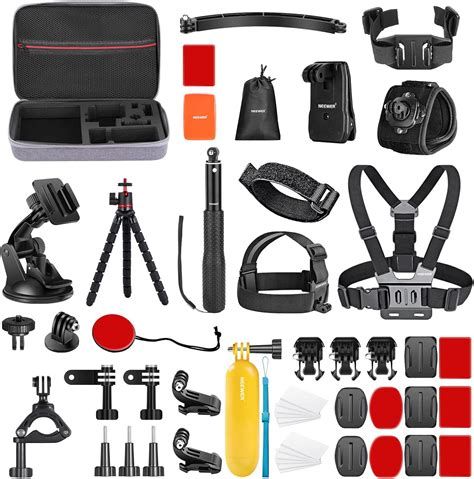
- Versatile mounting and usage: Ideal for helmets, chests, poles, and fixed mounts for hands‑free capture.
- 360° content and reframing: Offers creative freedom in post to choose framing and correct mistakes.
- Rugged and weather resistant: Built to withstand impacts and wet conditions common in action sports.
- Immediate usability: No special permits or separated operating space required; ready for tight or crowded environments.
GoPro Max 2 — Cons
- Ground‑level perspective: Cannot capture aerial viewpoints without combining with a drone or pole mount.
- Stitching artifacts (360 mode): Complex scenes with fast motion can reveal stitching errors that require manual fixes.
- Battery management: Long activities require spare batteries and attention to recording settings to maximize runtime.
- Post workflow complexity: Extracting the best single‑angle shots from 360 footage adds steps to editing.
Side‑by‑Side Comparison
| Feature | Dji Mini 5 Pro | GoPro Max 2 |
|---|---|---|
| Primary purpose | Aerial videography and photography for cinematic, elevated perspectives. | Action and immersive 360° capture for close‑up, on‑body, and mounted use. |
| Stabilization | 3‑axis gimbal provides mechanical stabilization for smooth motion. | Electronic stabilization and 360 stitching; excellent for handheld and mounted action shots. |
| Best real‑world use | Travel B‑roll, landscapes, property/real estate overviews, cinematic sequences. | Sports, POV vlogging, immersive environment capture, dynamic outdoor activities. |
| Durability | Designed for careful handling; not impact‑rated like action cams. | Rugged housing and mounts intended for rough handling and wet environments. |
| Ease of sharing/editing | Typically straightforward editing of stabilized aerial clips; color grading may be desired. | 360 to reframed shots add editing steps; single‑lens modes produce ready‑to‑share clips quickly. |
| Legal/operational constraints | Subject to aviation rules, altitude and distance limits, and restricted airspace policies. | No aerial regulations; standard public photography guidelines and location rules apply. |
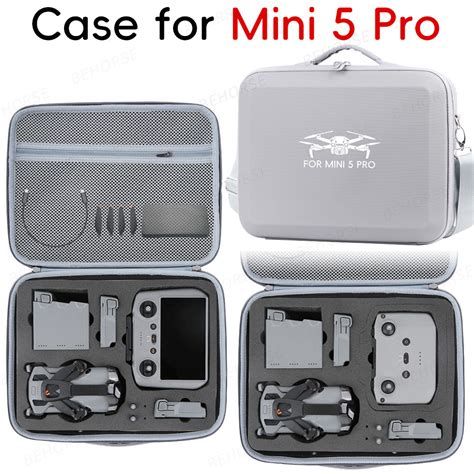
| Portability | Small for a drone but requires protective case and carries remote/controller. | Very compact and easy to strap to gear or keep in a small pack pocket. |
| Battery life/continuity | Flight time is limited; multiple batteries needed for long shoots. | Recording time varies with mode; swappable batteries help for extended use. |
Real‑World Use Cases and Buyer Concerns
Travelers and Solo Creators
Travelers who prioritize sweeping vistas, island shots, and cinematic transitions will find the Mini 5 Pro compelling. Its ability to capture altitude and movement provides a visual language that elevates short travel films. However, solo creators who move frequently between crowded landmarks may prefer the Max 2 because it avoids legal hassles and can be used in tighter spaces without attracting attention or requiring takeoff areas.
Adrenaline Sports and POV Content
For mountain bikers, surfers, snowboarders, and motocross riders, the GoPro Max 2 is built for the environment. Mounts allow the camera to accompany the athlete into conditions a drone never should. The Max 2's stabilization and immersive capture make it ideal for storytelling where the viewer needs to feel inside the action.
Commercial and Professional Use
Real estate photographers, event videographers, and small production teams may use both devices in complementary roles. The drone provides property overviews and establishing shots, while the Max 2 captures ground-level activity, testimonials, or immersive walkthroughs. For strictly commercial drone work, a dedicated aerial platform with advanced obstacle avoidance is sometimes preferred over a mini model — check local regulations and client expectations.
Shop the latest Cameras & Photography picks on Amazon.
View Offers →Social Media Creators
Creators focused on quick social clips and vertical formats should consider which device fits their workflow. Drones deliver eye‑catching reveal shots that perform well in short feeds, while the GoPro's on‑body perspective and 360 reframing make it easier to generate multiple formats from a single session.
Buying Guide: How to Decide
To choose between the Dji Mini 5 Pro and the GoPro Max 2, consider the following checklist that maps to everyday concerns.
1. Define Primary Use
- If the goal is aerial footage, horizon reveals, or cinematic travel shots: lean toward a drone.
- If the focus is sports, POV narratives, or immersion and ruggedness: favor an action/360 camera.
2. Consider Legal and Practical Constraints
- Check local drone laws and whether flight permits, registration, or insurance are needed for your intended locations.
- Think about where the content will be captured: crowded urban areas and indoor venues often favor an action camera.
3. Workflow and Editing
- Assess post‑production time: 360 workflows add reframing and stitching steps; drones often deliver ready‑to‑edit stabilized clips but may require color grading.
- Consider the software ecosystem: compatibility with existing editors and ease of transferring files matter for rapid content turnaround.
4. Portability and Power Management
- For long days outdoors, factor in spare batteries, charging options, and how many accessories are practical to carry.
- Action cameras are generally easier to swap batteries for quickly and stash in a pocket; drones require transport cases and are bulkier when packed with controllers and spare props.
5. Durability and Weather Resistance
- If the shoot involves water, mud, or impact risk, an action camera is better suited to survive abuse.
- Drones are sensitive to moisture and impacts; careful operation and planning are required in harsh environments.
6. Audio and On‑Scene Recording
- For interviews, vlogs, or on‑scene narration, evaluate each device’s native audio quality and ease of adding external mics.
- Action cameras typically have better-ready mounting options for microphones or allow safer proximity to subjects than drones.
7. Budget and Long‑Term Value
- Beyond the purchase price, account for accessories: spare batteries, memory cards, protective cases, filters, and mounts can add meaningful cost.
- Think through whether the device will be used regularly; less frequent users may prioritize a tool that’s simpler to deploy without advanced knowledge requirements.
Practical Tips Before Buying
- Test the workflow: Try sample footage from both devices in the editing platform used most often to see how much post work is required.
- Inspect handling needs: If traveling, evaluate how easily the device and essential accessories fit into a carry bag or backpack.
- Plan for redundancy: For any extended shoot, budget for extra batteries and at least one spare storage card.
- Learn the rules: Look up local photography and drone regulations for the regions where the device will be used most.
- Consider pairing: Many creators find the best results come from using both — the drone for opening and establishing shots, and the action camera for immersive, on‑the‑ground coverage.
Conclusion
Neither the Dji Mini 5 Pro nor the GoPro Max 2 is categorically "better" — they solve different problems. The Mini 5 Pro excels when elevation, sweeping composition, and cinematic movement are priorities, delivering shots that simply cannot be achieved from the ground. The GoPro Max 2 shines in rugged, immersive, and hands‑on scenarios where proximity to action, durability, and creative reframing matter most.
Buyers should choose based on primary use case, regulatory realities, and workflow preferences. For travel storytellers who want dramatic aerial B‑roll, the drone is an excellent choice. For athletes, adventure filmmakers, or creators who need constant readiness and mounting versatility, the action/360 camera is the practical pick. When budget and logistics permit, using both devices together offers a complementary toolkit that covers virtually every storytelling angle.